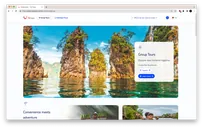
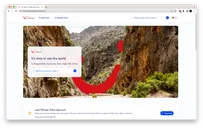
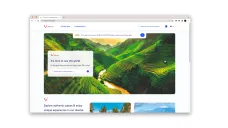
TUI Tours E-commerce — Immersive Travel Marketplace (Case Study)
Launched a new e-commerce platform for culturally immersive tours, not classic holiday packages, and it is built to scale across markets and devices.
From zero to beta in 8 months, we attracted a premium traveler segment and integrated with legacy back-office ops without breaking brand trust.
Role
UX & Product Design Consultant (Contractor) @ Softtek EMEA
Client / Market
TUI Group, travel and leisure e-commerce, EMEA (EU markets)
Timeline
2022–2023
Who might find this case interesting?
Product & Designers doing high-consideration experiences online who need the storefront tightly connected to real-world operations.
Leaders validating “content-as-product” (itineraries, inclusions/exclusions, credibility cues) while handling legacy integrations, multi-market rollouts, and aiming for measurable ops impact.
Teams committed to a Rapid V1—shipping a first working version fast to prove value, de-risk assumptions, and learn with real users before scaling.
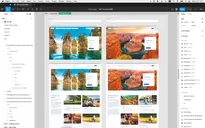
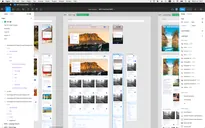
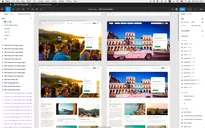
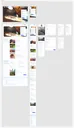
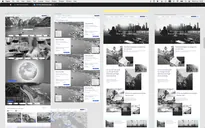
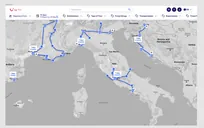
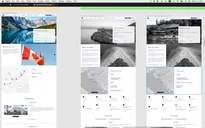
Jump to Project's Media and Screenshots ->
Overview
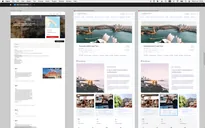
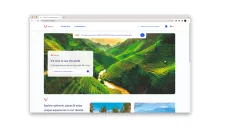
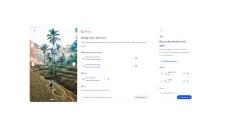
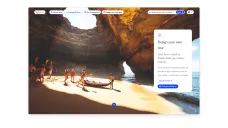
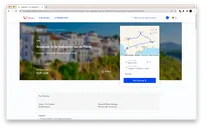
TUI wanted a next-gen storefront to sell immersive travel experiences—think curated, culture-rich tours (Egypt, photography safaris, local learning) versus “sun-and-sand” packages. The product had been sold offline, but the digital proposition and positioning were new, with high expectations on content, storytelling, and operations fit. I led UX/Product Design, shaping the value narrative, designing the multi-market experience, and aligning with ops/tech so booking and fulfillment wouldn’t break.
Strategic Discovery Focus
- Grounded the proposition in research. We ran interviews and surveys to learn how travelers evaluate “once-in-a-lifetime” trips and what credibility cues reduce risk for high-consideration purchases. This led us to emphasize itinerary clarity, expert curation, and transparent logistics.
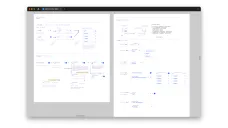
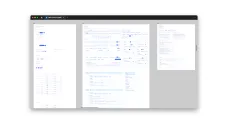
- Mapped the ops reality. Early pairing with operations revealed integration and fulfillment risks; we designed flows and states around inventory, confirmations, and hand-offs to keep “dream trip” expectations realistic end-to-end.
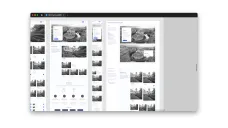
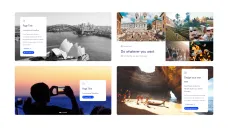
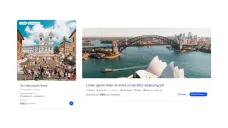
- Prototyped content, not just UI. Multiple content versions (photo/story density, itinerary granularity, FAQ depth) were prototyped and tested to balance emotion + due-diligence—because for these purchases, content is the product.
- Extended (not broke) the brand system. We respected brand identity while pushing the design system to better stage premium experiences and aid comprehension on mobile.
- Iterated with tight feedback loops. We tested each iteration with users and stakeholders, folding insights back into the roadmap.
Project Constraints
- Legacy + technical debt. We had to integrate with existing systems without compromising reliability of bookings and operations. This forced a modular, “adaptable outfit” UI rather than rigid patterns.
- New product, unproven digitally. The proposition hadn’t been validated online; we needed lean research, narrative framing, and risk-reduction patterns (social proof, clarity of inclusions/exclusions).
- Multi-market, multi-device. Interfaces and content had to travel across locales and channels from day one.
- Time to market. From kick-off to beta in ~8 months, requiring ruthless prioritization and content-first prototyping.
Outcome
- New premium customer segment. The site drew travelers seeking meaningful, curated experiences, expanding beyond mainstream holiday buyers.
- Higher commercial margins. Elevating perceived value and curation supported premium pricing and retention.
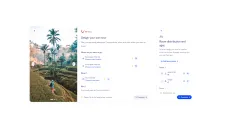
- Operationally realistic UX. Booking flows, states, and content aligned with back-office realities to avoid post-purchase friction.
- Beta in 8 months. Delivered at speed while laying foundations for white-label/theming and future brand evolutions.
Notes on my role and collaboration
I led the UX/product design process from start to finish—including discovery, content strategy, information architecture, prototyping, usability testing, and stakeholder facilitation—partnering closely with the product, engineering, and operations teams to ensure that what we shipped aligned with how the business actually operates.
These two engagements demonstrate the loop between the front stage and the back stage: a compelling purchase journey only works when the operational reality is equally well designed.
Related case
This work revealed an operational gap: the absence of a central tool to orchestrate logistics. This led to the creation of the TUI Tours Operational Platform.